1 hr 30 min
Tokyo Sumo Stable Morning Practice Experience
Step inside an authentic sumo training facility and witness wrestlers preparing for tournament competition
Reserve
Hand-picked by our editors — only the best 5 experiences from 12 reviewed.
Verified partners for every tour, free cancellation where available, and instant confirmation on every booking.
1 hr 30 min
Step inside an authentic sumo training facility and witness wrestlers preparing for tournament competition
Reserve
2 hr
Get up close to active sumo wrestlers during their authentic morning practice session at a real stable
Reserve
2 hr
Watch professional sumo wrestlers train at a real stable, meet the athletes, and capture photos with them
ReservePrices from verified partners. Availability updates in real time at checkout. Free cancellation policies apply where shown.
The landmarks, rooms, and views travelers on this tour remember — all visible on a single visit.
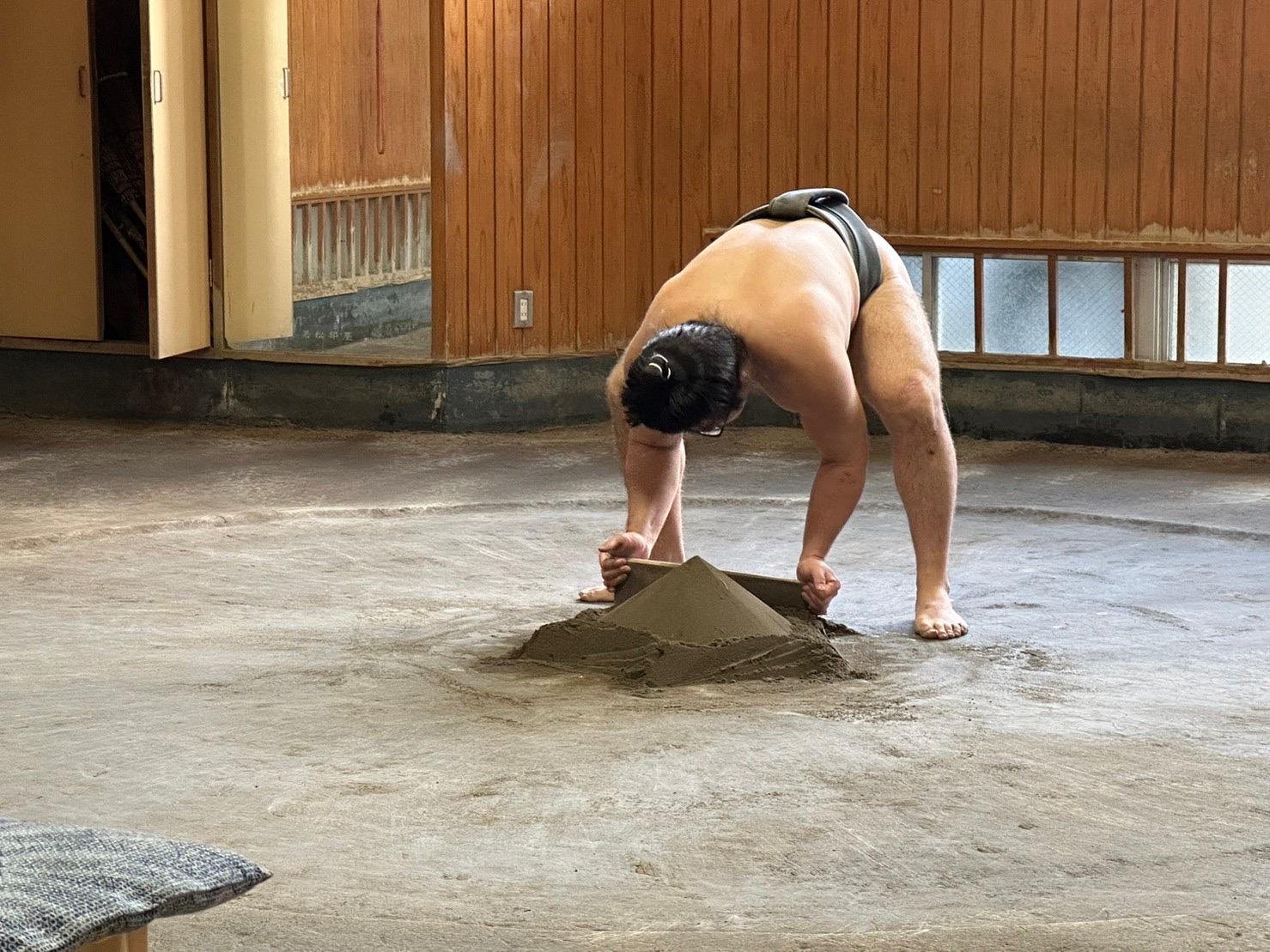
The sand-covered ring is the heart of the stable where wrestlers perform daily drills and exercises. This central space is the most sacred part of the practice area.
Small scale ring for training
Observe the ritualistic leg lifts known as Shiko which develop strength and balance. Wrestlers perform these repeatedly to build lower body power.
Wrestler performing ritual leg lifts
Watch the intense stretching and warm-up routines that prepare wrestlers for the physical demands of the sport. The concentration levels during these morning sessions are high.
Professional sumo wrestler stretching
Experience the discipline of the sumo lifestyle in a traditional setting. This glimpse into their living space offers deep insight into Japanese tradition.
View of the wooden architecture
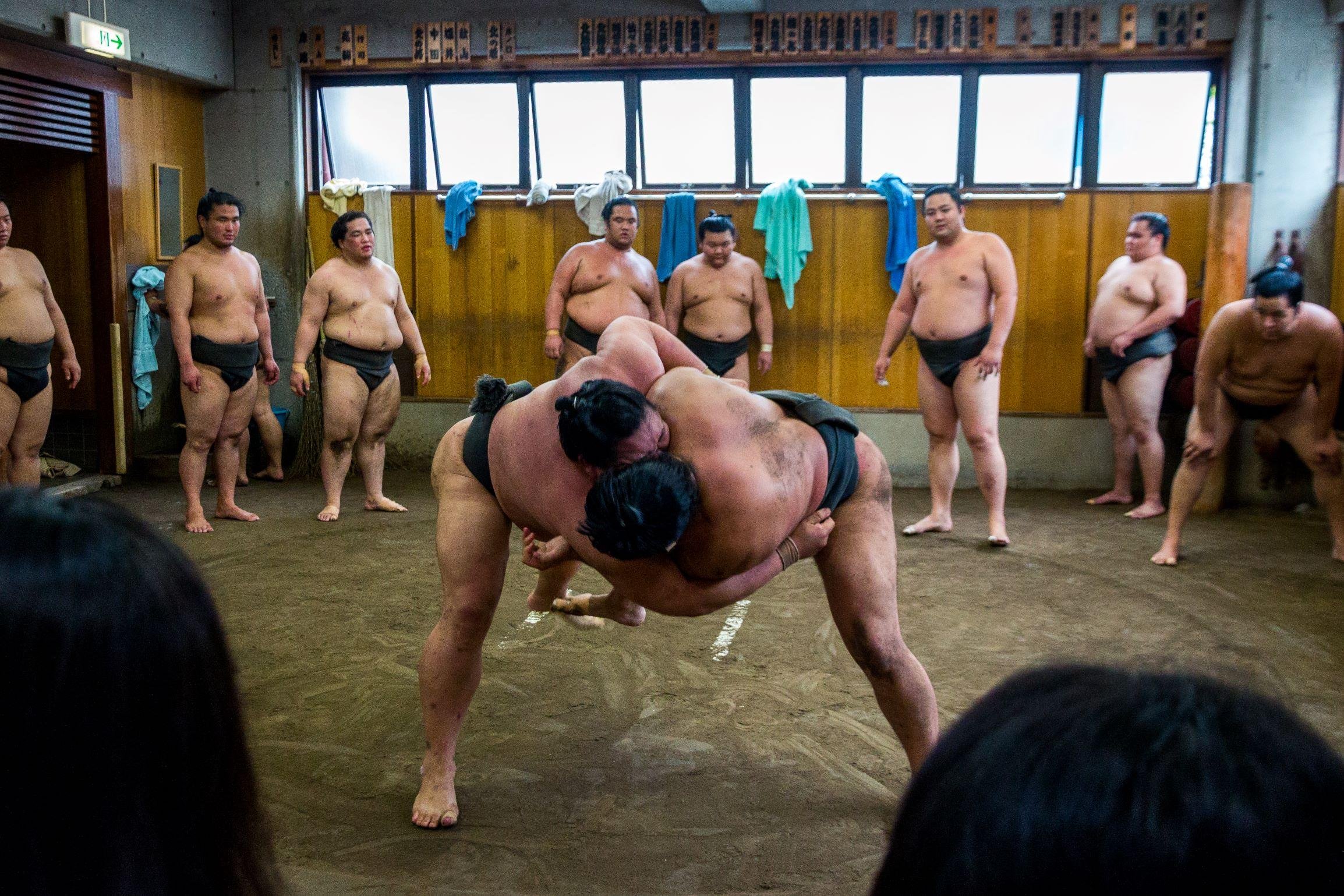
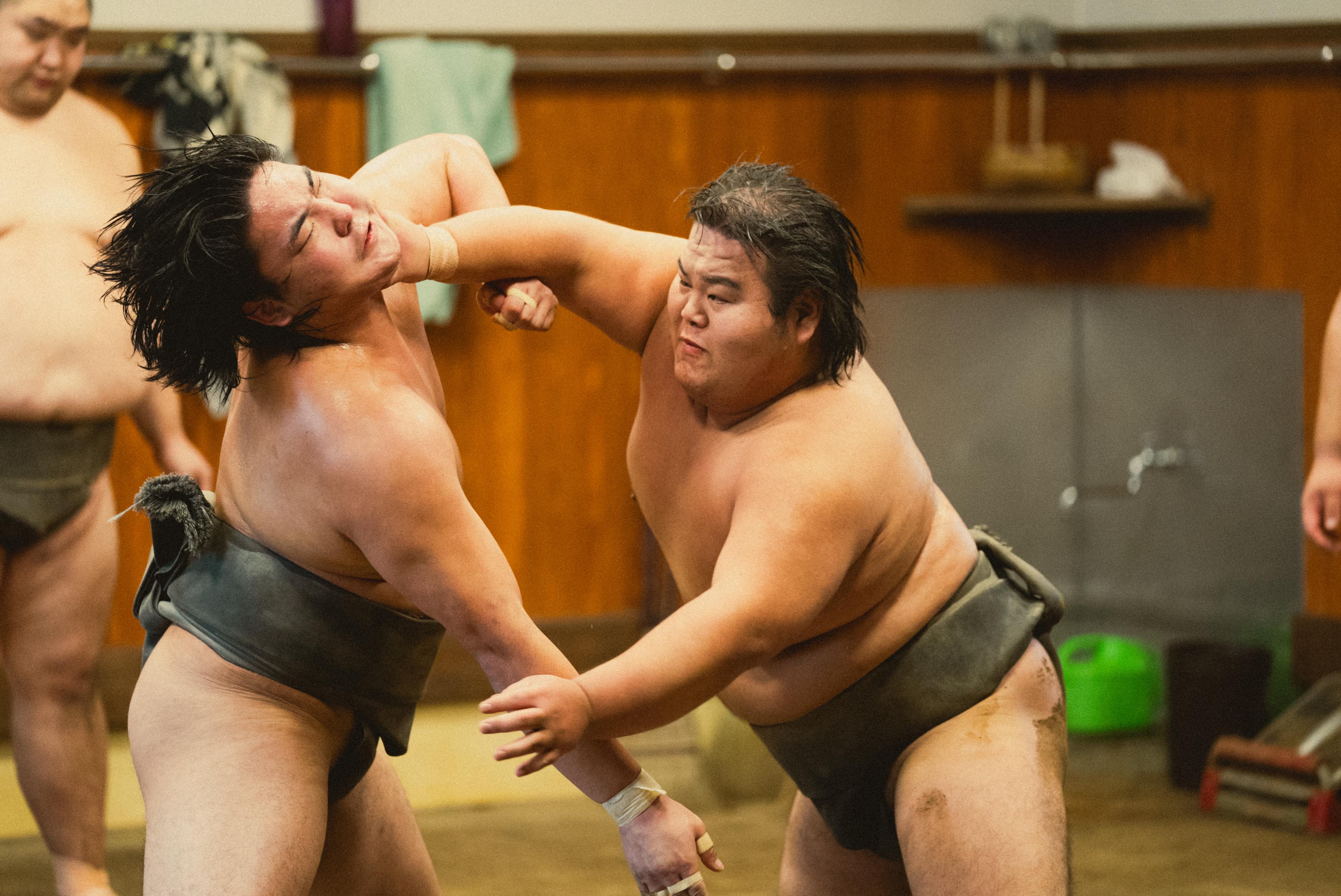
Witness the practice matches known as moshiai where wrestlers test their techniques. These drills occur throughout the morning session between 07:30 and 09:30.
Wrestlers engaged in practice
They complement each other; most visitors who do both call the professional match the more thrilling event, while the practice stable offers a rare look at the disciplined rikishi training process.
| Feature | Top pick Morning Practice | Official Tournament |
|---|---|---|
Atmosphere |
Quiet and disciplined | |
High-energy and festive;Interaction Level |
Close-up observation | |
Spectator viewing only;Duration |
2 hours | |
Full day;Scheduling Flexibility |
Fixed morning slots | |
Specific seasonal windows;Viewing Distance |
Very close proximity | |
Tiered stadium seating;Entry Requirements |
Prior booking usually required | |
| See tickets → |
Verdict: Choose the tokyo sumo morning practice tour in ryogoku tours for an intimate glimpse into the life of a wrestler, or opt for the tournament to experience the peak of professional sumo sport.
Choose your ticket, select your date, and reserve in under two minutes. Secure checkout handled by our verified partner.
Instant confirmation by email, with a mobile voucher you can save offline. No printing, no queuing at a collection desk.
Arrive at the entrance, show your voucher on your phone, and walk in. Most tickets include priority or skip-the-line access.
Practical details for your visit straight from our verified partners — hours, access, rules, and how to get there.
Sumida City, Tokyo
Main transport hub for all Sumo stables
Use the JR Sobu Line to reach Ryogoku Station for easy access.
Modest clothing is required when attending a tokyo sumo morning practice tour in ryogoku. Avoid revealing attire to show respect for the traditional sumo environment.
Space is limited at the stable, so guests should bring minimal items. Secure all personal belongings as there is no storage for a tokyo sumo morning practice tour in ryogoku.
Photography rules are strictly enforced at the discretion of the stable master. Always ask for permission before taking any photos during your tokyo sumo morning practice tour in ryogoku.
Most traditional Sumo stables have limited wheelchair access due to their architectural design. Guests with mobility concerns should verify access before booking their tokyo sumo morning practice tour in ryogoku.
Set devices to silent mode immediately upon arrival. Refrain from using phones during the training session of your tokyo sumo morning practice tour in ryogoku.
Children are welcome but must remain silent throughout the duration of the practice. Ensure younger guests understand the importance of quiet observation during the tokyo sumo morning practice tour in ryogoku.
Eating and drinking are strictly prohibited inside the practice area. Please finish all snacks before entering the sumo stable.
Pets are not allowed inside the Sumo stable. Please make alternative arrangements before your visit.
The tokyo sumo morning practice tour in ryogoku takes place in a working training facility. Maintain a low profile to avoid distracting the wrestlers.
Best time to go, insider tips, nearby landmarks, and the cancellation fine print — flip through to skim what matters to you.
How crowds, weather, and events shift across the year.
Mild temperatures and comfortable viewing conditions for guests.
Cooler mornings are ideal for observing this tokyo sumo morning practice tour in ryogoku.
High demand due to the proximity of the New Year tournament.
Popular time to book a tokyo sumo morning practice tour in ryogoku.
Small details that turn a good visit into a great one.
The stable is a place of work and dedication, not a show. Keep talking to an absolute minimum.
Always remove your shoes when entering the stable area. Wear clean socks as you will be barefoot or in socks on the floor.
If on a managed tokyo sumo morning practice tour in ryogoku, follow the guide's lead regarding seating and etiquette.
Do not stretch your legs or change your seating position frequently. Keep your feet tucked under you or crossed politely.
Never enter the sand-covered practice ring or touch equipment. Stay in the designated visitor observation area.
Non-bookable sights within a short walk — free to visit, easy to pair.
Explore the history of Tokyo and the district.
Flexible, no hidden fees.
As this is a 0 JPY entrance fee experience, individual stable visits do not have cancellation fees. However, private tokyo sumo morning practice tour in ryogoku tours operate under specific operator terms provided at booking.
Hand-picked options within walking distance — pick a district for vibe, or a specific hotel for convenience.
Convenient location near the stable area.
Sumo stables in Ryogoku open their practice halls at 7:30 each morning, six days a week, preserving training rituals unchanged since the Edo period. The neighborhood surrounding the Kokugikan arena houses over a dozen heya—private training compounds where rikishi live, eat, and drill under oyakata masters who once competed at the highest ranks themselves. These morning sessions, called asageiko, follow a hierarchy as rigid as the sport's 82 formal techniques: junior wrestlers arrive before dawn to clean the dohyo, sweep the stable floors, and prepare chanko nabe in cast-iron cauldrons before the sekitori—salaried wrestlers—step onto the clay ring at first light. Ryogoku earned its title as the spiritual home of sumo when the Kokugikan moved to Sumida City in 1985, replacing the original hall destroyed in 1917. The district's narrow streets still host the highest concentration of stables in Japan, and the scent of chanko broth drifts from kitchen vents every morning. Visitors who secure stable access witness the butsukari-geiko—repetitive charge drills where junior rikishi slam into senior wrestlers until exhaustion—and the sanban-geiko sparring bouts that determine tournament rankings. The clay surface of each dohyo is remade weekly, mixed with river sand and compacted by hand, then blessed by Shinto priests who embed talismans beneath the center. Most stables permit observation only through pre-arranged guided tours, and the protocol is strict: shoes removed at the entrance, silence during practice, no photography without express permission, and observers seated on wooden benches behind the dohyo's straw boundary. The hierarchical seating mirrors sumo's ranking system—junior wrestlers kneel on bare floors at the ring's edge, while visitors occupy raised platforms. Practice concludes around 9:30, when the oyakata delivers critiques in rapid Japanese and the rikishi retreat to communal baths before the day's first meal. Tokyo sumo morning practice tour in Ryogoku options now include English-speaking guides who explain rank insignia, tournament cycles, and the meaning behind each ritual gesture. The sport's governing body, the Japan Sumo Association, maintains offices adjacent to the Kokugikan and publishes an annual calendar of the six honbasho tournaments. Between tournaments, morning practice offers the only public glimpse of sumo's daily discipline, and stables in Ryogoku remain the most accessible. Winter months see wrestlers training in unheated halls, their breath visible in the cold air, while summer sessions begin even earlier to avoid Tokyo's humidity. The tokyo sumo morning practice tour in ryogoku tradition continues without concession to modern schedules, a window into a sport that measures its history in centuries rather than seasons.

"The clay surface of each dohyo is remade weekly, mixed with river sand and compacted by hand, then blessed by Shinto priests who embed talismans beneath the center."
A step-by-step walkthrough of the visit — what you'll see, how long each stage takes, and the details that matter.
You arrive in Ryogoku by 7:30, when the streets are still quiet and the first rikishi are already inside. Your guide meets you outside a nondescript wooden gate—no signs, no English placards—and reminds you to remove your shoes before crossing the threshold. Inside, the practice hall smells of clay and sweat. You take a seat on a low wooden bench behind the dohyo's straw bales, and the junior wrestlers are already circling the ring, their topknots tight, their bodies gleaming. The first drills begin without ceremony. Two wrestlers face each other, crouch, and collide with a sound like a thunderclap. You watch the butsukari-geiko—charge after charge, the junior wrestler driving into his senior's chest until his legs give out. The oyakata, a former yokozuna, sits cross-legged at the ring's edge, calling corrections in a low growl. Between bouts, you notice the hierarchy: junior wrestlers kneel on the floor, senior rikishi rest on cushions, and the stable's cook stirs chanko in a side room visible through an open doorway. By 9:00, the sparring intensifies. Two sekitori step onto the clay, their mawashi belts knotted tight, and the room goes silent. They circle, feint, lock, and one wrestler lifts the other clear off the ground before driving him to the edge. You feel the impact through the floorboards. The session ends with salt thrown across the dohyo, a Shinto purification, and the wrestlers bow to the oyakata before filing out. Your guide explains the ranking symbols stitched into each mawashi as you step back into the morning light, the sound of the stable's bath water running behind you.
The Sumo stable is open Monday to Saturday from 07:30–09:30. It is closed on Sundays.
Entrance to the stable is 0 JPY, though private guided tokyo sumo morning practice tour in ryogoku tours usually include a separate guide fee.
You should arrive between 07:30–09:00 to ensure a spot and avoid disrupting the wrestlers.
There are no bag storage facilities at the stable. You must keep your belongings with you at all times.
Photography is generally restricted and requires permission. Ask your guide or the stable master upon arrival.
Yes, families are welcome if children can remain quiet. Ensure kids understand the serious nature of the training.
Dress modestly and respectfully. Remember to wear clean socks as you will remove your shoes.
No, there are no food or drink facilities at the stable. Finish all consumption before your visit.
Ryogoku Station on the JR Sobu Line is the best stop for reaching most stables.
No, the stable is closed on Sundays and you cannot book a tokyo sumo morning practice tour in ryogoku for that day.